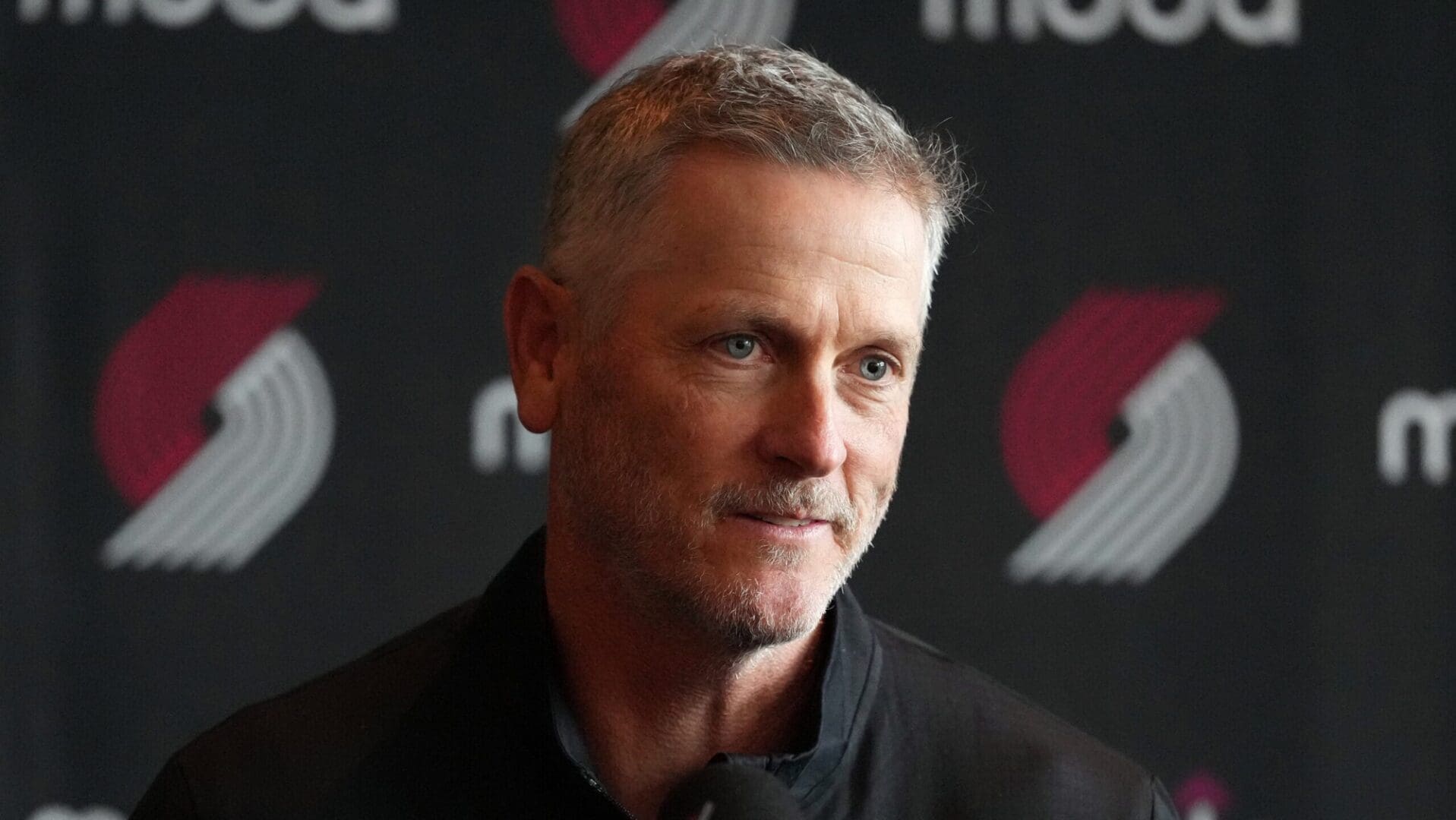
Will Tom Dundon Move the Portland Trail Blazers?
The idea that Tom Dundon could eventually move the Portland Trail Blazers isn’t impossible, but it’s also not as inevitable as some fear. Right now, the reality sits somewhere in the uncomfortable middle: the risk exists, but the incentives still strongly favor staying in Portland.
To understand why, you have to separate what Dundon has said, what he’s done, and what historically happens when owners like him take over NBA franchises.
Public Stance: “We’re Staying”
When Dundon’s ownership group finalized its $4.25 billion purchase, the messaging was crystal clear: Portland is the plan. Ownership immediately pushed back on relocation fears, emphasizing arena upgrades and a long-term lease as priorities.
That’s not just PR—it’s standard NBA protocol. New owners almost always reaffirm commitment to their market, especially one like Portland, which has a loyal fan base and a long NBA history.
A Western Conference executive told me, “You don’t buy a team and say you might move it. That kills your business on day one.”
Translation: even if relocation were a distant possibility, Dundon would never admit it early.
Red Flags: Dundon’s Cost-Cutting Measures
If there’s a reason this conversation exists at all, it’s Dundon’s reputation—and his first month hasn’t helped.
Reports of aggressive cost-cutting—everything from limiting travel staff to avoiding minor expenses—have already surfaced.
That aligns with his broader business philosophy. Dundon is not a vanity owner like the late Paul Allen. He’s a profit-driven operator.
One league source described it bluntly:
“He runs teams like businesses first. That’s not always how NBA owners behave.”
That matters because relocation decisions are often financial, not emotional. If Dundon ever believes Portland isn’t maximizing revenue potential, the calculus could shift.
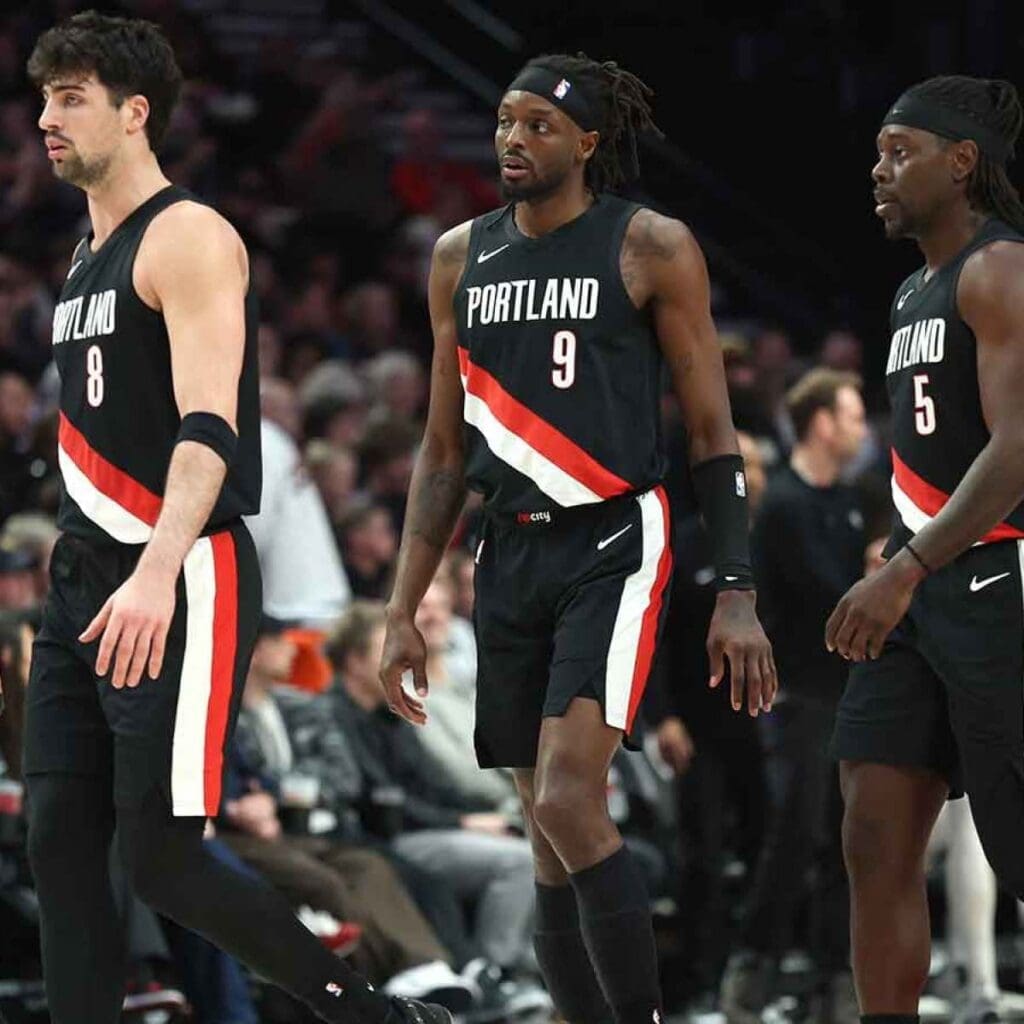
Reality: Portland Actually Works
For all the anxiety, Portland is not a failing NBA market. It’s one of the league’s most stable small-market franchises.
- Strong, consistent fanbase.
- Limited local competition.
- A basketball first mentality
An Eastern Conference team executive has said:
“Portland isn’t the problem market people think it is. It’s actually one of the better small markets.”
That’s critical. Owners don’t move healthy franchises—they move struggling ones.
And right now, the Blazers are not struggling in the way that typically precedes relocation threats (like arena issues, attendance collapse, or political gridlock).
The Pressure Point: Arena Deal
If relocation ever becomes a serious conversation, it won’t be about roster building or travel budgets—it’ll be about the building.
The Moda Center is aging, and Dundon has already signaled interest in upgrades or a long-term solution.
This is where things could get tense.
Across sports, relocation threats often emerge when owners seek public funding for renovations or new arenas. It’s a familiar playbook:
- Push for upgrades.
- Apply pressure publicly or privately.
- Float relocation as leverage.
Cities like Seattle and Las Vegas are always lurking as hypothetical landing spots, even if no move is imminent.
Dundon’s History: Patience, not Panic
If you look at Dundon’s track record with the Carolina Hurricanes in the NHL, it actually argues against relocation fears.
He bought that franchise, invested strategically, and turned it into a consistent contender with strong attendance.
He didn’t move the team—even when smaller-market challenges existed.
That’s important context. Dundon may be unconventional, but he’s not reckless.
A league source familiar with his ownership style said:
“He’s not looking to flip teams or relocate them. He’s looking to optimize them.”
That distinction matters. Optimization can look uncomfortable—like cost-cutting—but it’s different from abandoning a market.
Ambition vs Patience
Where things get interesting is Dundon’s stated desire to accelerate the Blazers’ competitive timeline.
He’s already signaled a shift away from slow rebuilding toward a more aggressive approach.
That kind of urgency can cut both ways.
If the team wins, Portland becomes even more valuable.
If the team stagnates, Dundon could grow frustrated—and that’s when unconventional decisions sometimes emerge.
One Western Conference scout has said:
“He’s not going to sit around for five years and hope it works.”
Still, even in that scenario, relocation would be a last resort, not a first move.
How Real is a Move?
The honest answer: it’s unlikely in the near future—but not impossible long-term.
Right now, all the key indicators point to stability:
- Public commitment to Portland.
- A viable market with support.
- No immediate arena crisis.
- A league that prefers stability.
But the long-term risk hinges on two variables:
- Arena negotiations.
- Revenue growth as compared to other markets.
If those tilt the wrong way, the conversation could change.
Final Verdict
There’s a tendency to overreact to new ownership, especially one as polarizing as Dundon’s. His early cost-cutting moves have made him an easy villain, but they don’t automatically signal relocation intent.
In fact, the more likely outcome is that Dundon stays in Portland—and tries to reshape the franchise in his image, for better or worse.
As one longtime NBA executive summed it up:
“Moving a team is a nuclear option. You only do it if everything else fails.”
Right now, nothing has failed in Portland.
But with an owner like Dundon, the situation is worth watching—because if the business math ever stops working, sentiment won’t save the Blazers.
Michael J. Wilson-The Daily Waiver
Email: Dailywaiver@gmail.com Instagram: @Dailywaiver Tik-Tok: @Dailywaiver