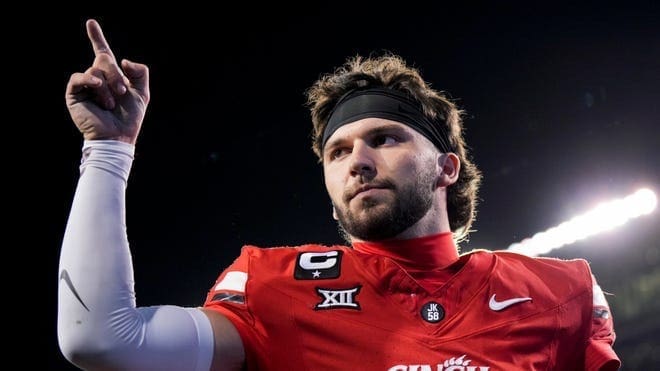
Brendan Sorsby Should Not be Playing College Football in 2026
College football is built on one principle above all others: integrity. Fans can accept bad officiating, controversial playoff selections, NIL disputes, and even conference realignment chaos. What they cannot accept is the idea that players who gamble on sports—especially games involving their own teams—can still take the field as if nothing happened.
Issue #1
That is why Texas Tech quarterback Brendan Sorsby should not be playing college football in 2026.
The debate surrounding Sorsby’s eligibility has become one of the biggest stories of the offseason after a Texas judge granted a temporary injunction allowing him to play despite the NCAA previously ruling him permanently ineligible for gambling violations. According to reports, Sorsby admitted to wagering approximately $90,000 on college and professional sports over several years, including bets involving Indiana football while he was a member of that program. The NCAA denied his reinstatement request before the court ruling temporarily restored his eligibility.
This should not be a difficult decision.
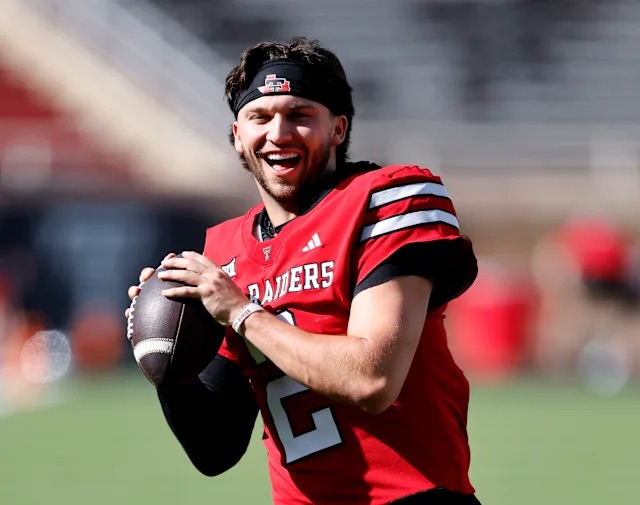
The NCAA’s gambling rules exist for one reason: to protect public confidence in the outcome of games. Once a player begins betting on sports, particularly contests involving his own school, the credibility of every play, every drive, and every result comes into question. Whether the player tried to influence an outcome becomes almost secondary. The mere possibility damages the sport.
Big 12 and NCAA Reaction
As one Big 12 athletic director reportedly said after the ruling, the decision was “bull—-” because it undermined the basic standards college athletics has tried to enforce for decades.
The reality is that many athletes have lost eligibility for far less serious violations. Players have missed games because of paperwork mistakes, transfer disputes, and technical recruiting violations. Yet here we have a quarterback who admitted to extensive gambling activity and is now being allowed to play because of a court injunction.
That sends the wrong message.
Imagine being a player who followed every NCAA rule throughout his career. Imagine being a teammate who sacrificed opportunities and stayed within the guidelines. What are those athletes supposed to think when someone who violated one of the sport’s most important rules receives another chance to compete?
Even more troubling is the precedent being established.
If Sorsby ultimately plays the entire 2026 season while his legal case continues, future athletes facing similar punishments will likely follow the same legal path. The NCAA’s ability to enforce gambling regulations could be weakened significantly. Several analysts have already argued that the case threatens the organization’s enforcement authority moving forward.
Supporters of Sorsby point to his admission that he struggled with a gambling addiction. They argue that addiction should be treated as a health issue rather than solely a disciplinary matter. There is certainly merit to providing treatment and support for athletes facing those challenges.
Sorsby reportedly completed a rehabilitation program and has publicly discussed his struggles. That deserves recognition. Recovery matters. Compassion matters. People make mistakes and deserve opportunities to rebuild their lives.
But redemption and eligibility are not the same thing.
A player can receive treatment, continue his education, and move forward with his life without being granted the privilege of playing college football. The NCAA is not preventing Sorsby from attending school. It is enforcing a rule designed to protect competitive integrity.
Those are two different issues.
Argument Against
The strongest argument against Sorsby’s return is simple: if betting on games involving your own team does not result in permanent consequences, then what exactly would?
NCAA rules have long stated that wagering on contests involving your school can lead to a permanent loss of eligibility. Those rules were known before any bets were placed. Athletes are educated repeatedly about gambling policies. Schools conduct compliance meetings every year. Nobody can credibly claim ignorance.
The backlash across college athletics demonstrates how seriously administrators view this situation.
Reports indicate Big 12 officials have discussed potential responses. Other schools have publicly criticized the ruling. Some institutions have even considered avoiding competition against Texas Tech altogether while Sorsby remains eligible.
Big 12 Commissioner Brett Yormark reportedly has been consulting league stakeholders about the ramifications of the decision. The fact that conference leaders are discussing extraordinary measures illustrates just how damaging many believe this ruling could become.
What Other Head Coaches Are Saying
Several prominent voices in sports have also weighed in.
Hall of Fame basketball coach Rick Pitino recently pointed to the Sorsby case as an example of the dangers gambling presents to young athletes. While Pitino focused much of his criticism on the broader sports betting industry, his comments reflected growing concern that gambling-related violations are becoming increasingly common.
The NCAA has plenty of problems. Its enforcement record is inconsistent. Its governance model is under attack. Courts have repeatedly challenged its authority.
Final Thought
Yet on this issue, the organization got it right.
If college sports are going to maintain any credibility in the age of legalized sports betting, there must be clear lines that cannot be crossed. Betting on games involving your own team is one of those lines.
Brendan Sorsby deserves support as he continues his recovery. He deserves the opportunity to learn from his mistakes and build a successful future.
What he does not deserve is the chance to quarterback a major college football team in 2026.
Because once gambling on your own team’s games becomes a forgivable offense, the integrity of college football becomes negotiable.
And the moment integrity becomes negotiable, everybody loses.
Michael J. Wilson-The Daily Waiver
Email: Dailywaiver@gmail.com Instagram: @Dailywaiver Tik-Tok: @Dailywaiver