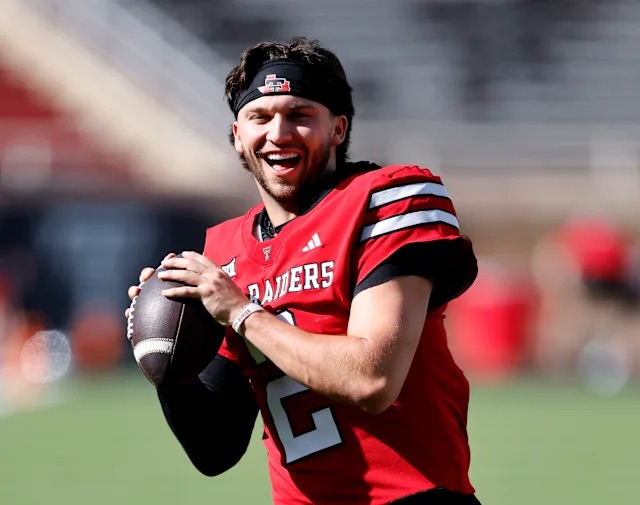
Big 12 Conference Options With Brendan Sorsby
The Brendan Sorsby situation has become one of the most complicated legal challenges the Big 12 Conference has ever faced. After a Texas court granted Texas Tech quarterback Brendan Sorsby a temporary injunction allowing him to play despite an NCAA gambling-related lifetime ban, the conference suddenly found itself balancing competitive integrity, conference bylaws, NCAA relationships, and potential legal liability.
The reality is that the Big 12’s options are far more limited than many fans realize.
The Big 12 Cannot Simply Ignore The Court
The first thing Commissioner Brett Yormark and conference leadership must understand is that a court order carries legal weight. The injunction currently prevents the NCAA from enforcing its ruling against Sorsby while litigation continues. Several reports indicate the conference’s athletic directors have already met to discuss the implications and possible responses.
If the Big 12 attempted to independently declare Sorsby ineligible despite the court ruling, it would almost certainly invite another lawsuit. Texas Tech could argue that the conference is effectively doing what the NCAA has been temporarily prohibited from doing.
That legal exposure is significant. Texas Attorney General Ken Paxton’s office has already warned the conference that punitive actions against Texas Tech could violate antitrust principles and expose the league to substantial financial damages.
Option No. 1: Do Nothing And Let The Courts Decide
This is probably the safest legal route.
The conference could simply acknowledge that Sorsby is currently eligible under a valid court order and allow him to participate while the NCAA appeal proceeds. The Big 12 would essentially defer to the judicial process rather than create its own punishment structure.
From a legal perspective, this minimizes risk.
From a public-relations perspective, however, it creates major problems.
Many coaches, athletic directors, and players across college football have expressed concern that a player who admitted to placing wagers on his own team could eventually compete for a conference championship. The NCAA has long considered betting on one’s own team among the most serious violations in sports.
As one anonymous athletic administrator reportedly told multiple media outlets this week, the issue isn’t merely gambling—it’s preserving confidence in competition itself.
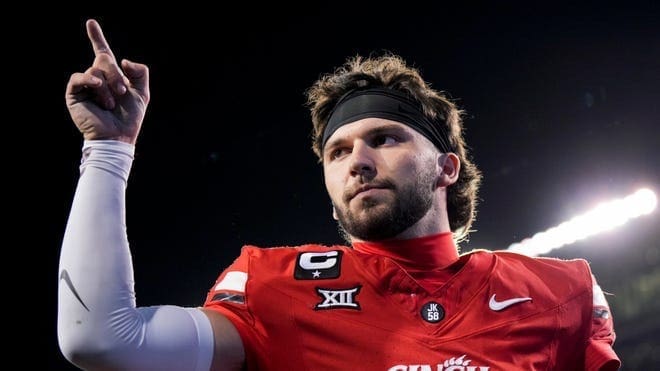
Option No. 2: Create Competitive Restrictions
Some have suggested the conference could allow Sorsby to play but prohibit him from receiving conference awards or participating in postseason recognition.
Legally, that becomes dangerous territory.
If the conference specifically targets one athlete who currently possesses legal eligibility, Texas Tech could argue the league is attempting to circumvent the court’s ruling. Any selective punishment would likely face immediate legal scrutiny.
The Big 12 would need clear bylaw authority before attempting such action.
Option No. 3: Sanction Texas Tech
This appears to be the most aggressive option and the least likely to survive legal review.
Reports surfaced this week that conference officials discussed possible sanctions ranging from vacated victories to championship-game consequences if Sorsby plays. Those discussions reportedly triggered immediate pushback from Texas officials and Texas Tech leadership.
Texas Tech Athletic Director Kirby Hocutt has repeatedly argued that the university did not create the legal challenge and is merely supporting a student-athlete through the judicial process.
If the conference punished Texas Tech solely because a court restored a player’s eligibility, the school would almost certainly sue.
The Big 12 would then be defending not only its interpretation of conference rules but also explaining why it believes it can override a judicial order.
That is a difficult legal position.
Option No. 4: Wait For The NCAA Appeal
This may ultimately be the smartest strategy.
The NCAA has already appealed the injunction, meaning the legal process is far from complete.
Instead of creating new conference policies in the middle of the season, the Big 12 could simply monitor the case and reserve action until a final ruling emerges.
This avoids rushing into decisions that may later be overturned.
It also keeps the conference aligned with whatever legal outcome eventually emerges.
The Coaches’ Perspective
If you talk to coaches around the country, most want consistency.
No coach wants gambling connected to the game.
At the same time, coaches generally want clear rules that are applied evenly.
The concern isn’t necessarily Brendan Sorsby himself. The concern is precedent.
If a player can overturn a gambling ban through litigation, what happens when future athletes challenge transfer restrictions, eligibility rulings, or disciplinary actions?
That uncertainty worries administrators more than a single quarterback ever could.
Texas Tech coach Joey McGuire has emphasized support for Sorsby’s treatment and recovery process, while school officials have stressed that rehabilitation and accountability can coexist.
The Players’ Perspective
Players are likely divided.
Some believe everyone deserves a second chance, particularly if addiction played a role.
Others believe betting on one’s own team crosses a line that cannot be ignored.
Public discussion among college football fans reflects that same divide. Some argue Texas Tech is simply following the law and respecting a court order, while others believe allowing Sorsby to play damages the credibility of the sport.
The Media Perspective
Many national commentators have focused on the broader implications.
The story is no longer just about Brendan Sorsby.
It is about whether courts now have greater influence over college athletics than governing bodies such as the NCAA.
That question may ultimately define the future relationship between conferences, schools, athletes, and regulators.
Final Verdict
The Big 12 should resist the temptation to act emotionally.
The conference may dislike the injunction. Coaches may dislike the injunction. Fans may dislike the injunction.
But legally, the conference’s strongest position is patience.
Allow Sorsby to participate under the current court order, continue monitoring the NCAA appeal process, and avoid conference-specific sanctions that could trigger additional lawsuits.
The Big 12’s responsibility is to protect the league’s long-term interests, not win a public-relations battle in June.
Right now, the safest and most defensible move is simple: follow the law, let the courts finish their work, and prepare for whatever final ruling emerges. The conference may not like that answer, but it is likely the only answer that protects both its legal standing and its future credibility.
Michael J. Wilson-The Daily Waiver
Email: Dailywaiver@gmail.com Instagram: @Dailywaiver Tik-Tok: @Dailywaiver