Big 12 Football Is College Football’s Chaos League
The 2026 season feels like the year the Big 12 Conference fully embraces what it has become: college football’s deepest chaos league.
No conference in America may have less separation between its top eight teams. Unlike the Southeastern Conference or Big Ten Conference, where elite rosters often create predictable hierarchies, the Big 12 thrives on volatility. That makes it wildly entertaining—and brutally difficult to predict. But if there is one overarching theme for 2026, it is this: the league finally has a clear target on one team’s back—Texas Tech Red Raiders.
Coming off a conference championship under Joey McGuire, Texas Tech enters as the hunted rather than the hunter. National preview magazines and analysts widely view the Red Raiders as the conference favorite, even with uncertainty surrounding quarterback depth and lingering fallout from the Brendan Sorsby situation.
McGuire summed up the mentality in spring camp: “We’re not sneaking up on anybody anymore. That’s fine. We wanted respect.”
That line captures the Big 12 in 2026 perfectly.
Texas Tech is still the team to beat
Texas Tech’s biggest strength remains roster balance. Their defense took a major step forward in 2025, and the Red Raiders no longer feel like a program relying solely on shootouts. They can win ugly.

Media outlets across the country continue to place Tech atop preseason projections. ESPN and multiple preview publications have them as the conference favorite, largely because they avoid some of the league’s toughest scheduling pitfalls.
But repeating in the Big 12 is hard.
Athletic directors around the league know parity is the conference’s selling point. One anonymous Big 12 athletic director told reporters this spring that “there are at least six programs capable of winning this league if they stay healthy.”
That may be conservative.
BYU may be the most complete challenger
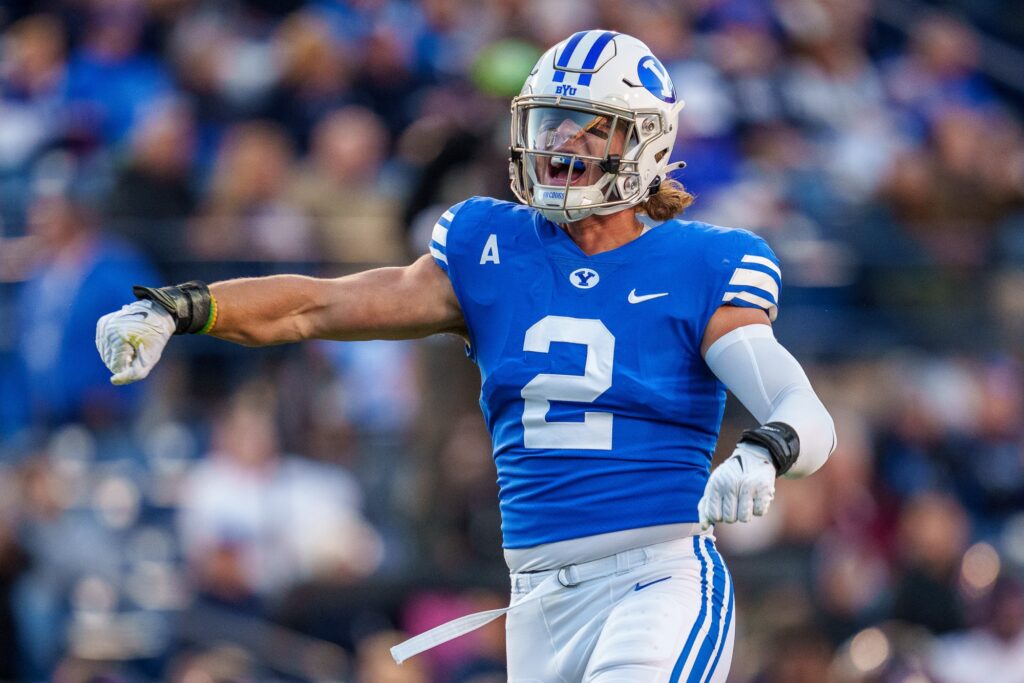
BYU Cougars might be the most fundamentally sound team in the conference.
Kalani Sitake has built a program defined by discipline, line play, and physicality. Those traits travel, and they matter in November.
BYU is dangerous because they rarely beat themselves. They tackle well, control tempo, and have the kind of veteran culture that survives injuries. Athlon and other preseason outlets have them squarely in the title race.
Sitake said during offseason media availability, “Our goal is consistency. Championship football isn’t about one great Saturday. It’s about twelve.”
That sounds boring—until you realize boring wins leagues.
Arizona is ready to contend
Arizona Wildcats may be the conference’s most intriguing team.
With Brent Brennan stabilizing the program and quarterback Noah Fifita returning, Arizona has legitimate championship upside. The Wildcats are no longer rebuilding—they are expecting.
The biggest question? Consistency in road environments.
Winning in Tucson is one thing. Winning in Lubbock, Provo, or Manhattan is another.
Houston could be this year’s surprise
Every year the Big 12 has a team that exceeds expectations.
This year, it feels like Houston Cougars.
Willie Fritz has quietly turned Houston into a disciplined, dangerous program. Analysts now openly say Houston has enough talent to win the conference.
That’s a dramatic shift from where the program was two years ago.
Houston’s rise reflects something bigger about the Big 12: coaching still matters here more than raw recruiting stars.
That is increasingly rare in modern college football.
Utah won’t stay down forever
Writing off Utah Utes is usually a mistake.
The Utes remain one of the toughest teams in the conference physically, even after recent roster turnover. They may not have the flashiest offense, but they still hit like an old-school football team.
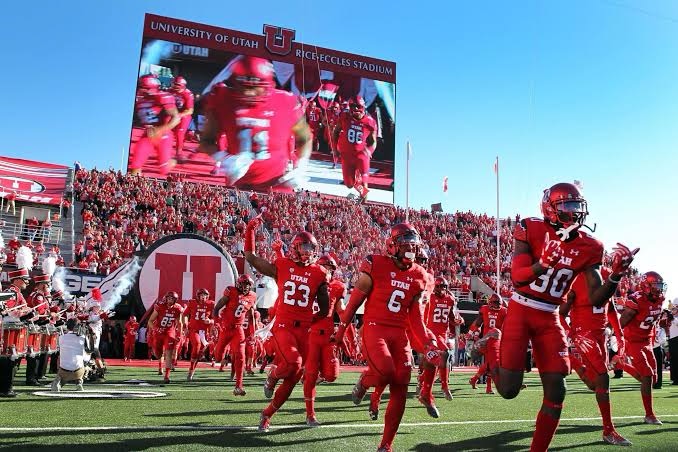
Media projections continue to place Utah in the upper tier.
Utah’s problem is schedule.
The margin for error is tiny.
Two conference losses might still keep them alive; three probably ends championship hopes.
Colorado remains college football’s biggest mystery
No team creates stronger opinions than Colorado Buffaloes.
As long as Deion Sanders is involved, national attention follows.
Quarterback Julian Lewis gives Colorado legitimate upside, but the roster still has depth concerns. Analysts remain split on whether Colorado is a dark horse or destined for another frustrating season.
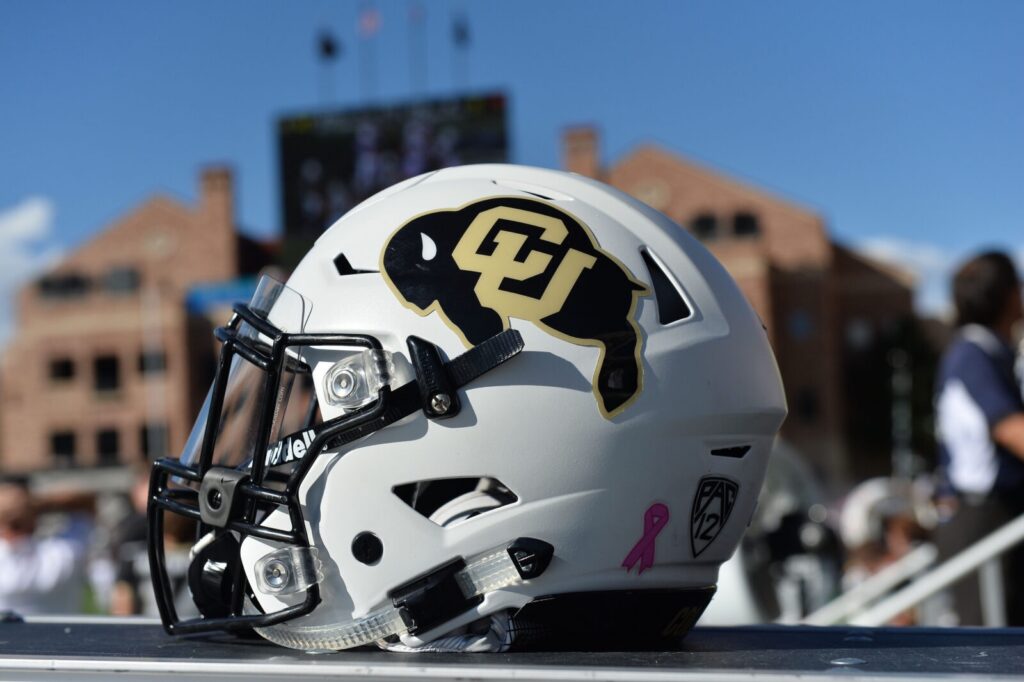
One national columnist put it bluntly: Colorado may have the widest range in the conference—from 9 wins to 4.
That feels right.
The middle class will decide everything
The Big 12’s true identity isn’t the contenders.
It’s the middle.
Programs like Kansas State Wildcats, TCU Horned Frogs, Iowa State Cyclones, UCF Knights, and Arizona State Sun Devils will determine the championship race.
These are the teams that upset favorites in October.
These are the teams that turn 10-win dreams into 8-4 reality.
That is why the Big 12 is brutal.
A contender can be clearly better than an opponent and still lose because of travel, matchup problems, weather, or one turnover.
There are almost no guaranteed wins.
Arizona State could be dangerous
Arizona State Sun Devils may quietly outperform expectations.
Vegas win totals place ASU around bowl eligibility, but the schedule offers opportunity.
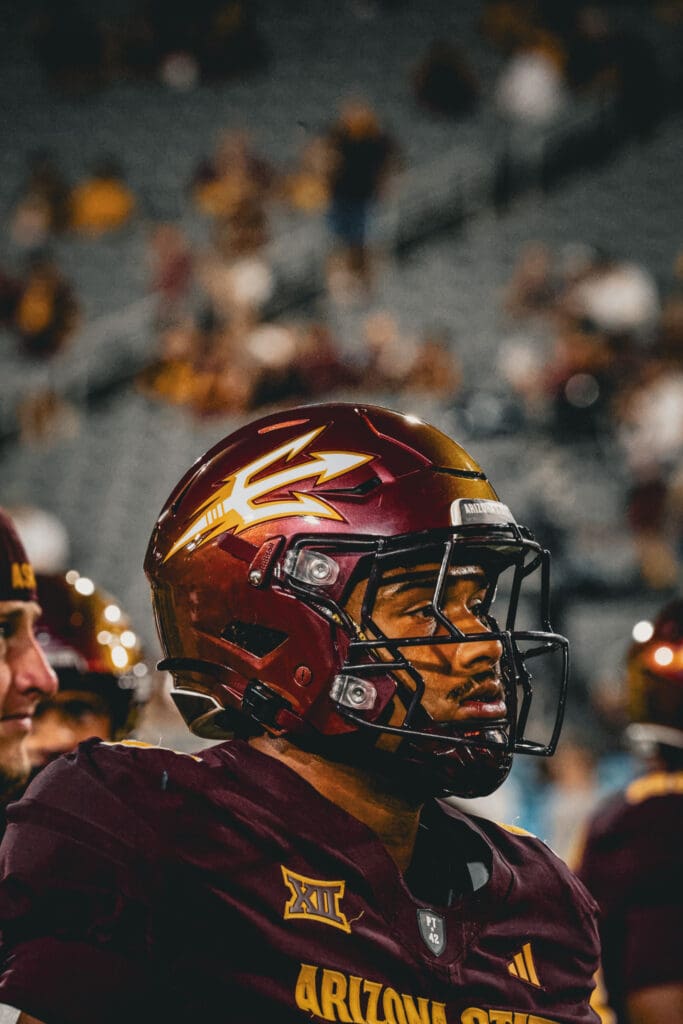
If the Sun Devils develop consistent quarterback play and improve defensively, seven or eight wins is realistic.
Athletic director Graham Rossini has emphasized long-term program building, saying the focus is “sustainable competitiveness, not short-term headlines.”
That matters in this league.
Coaching pressure is rising
One under-discussed storyline in 2026: pressure.
Several coaches enter must-win seasons.
Dave Aranda faces enormous expectations at Baylor. Scott Satterfield and Lance Leipold also face scrutiny after uneven seasons.
In a conference this balanced, coaching edges can decide everything.
Fourth-down decisions, clock management, transfer portal retention—those are not side stories anymore.
They are the sport.
Final prediction
Here’s how I believe the top 8 in the Big 12 finishes in 2026:
- Texas Tech Red Raiders (10–2, 8–1)
- BYU Cougars (10–2, 8–1)
- Arizona Wildcats (9–3)
- Houston Cougars (9–3)
- Utah Utes (8–4)
- Kansas State Wildcats (8–4)
- Arizona State Sun Devils (7–5)
- Colorado Buffaloes (6–6)
My pick for the Big 12 Championship Game is Texas Tech vs. BYU.
And I’m taking Texas Tech to repeat.
Why?
Because while the Big 12 remains chaotic, championship football still comes down to one thing: who handles pressure best.
Texas Tech has already been through the fire. They know what winning the league requires. They know what November pressure feels like. That matters.
The Big 12 will deliver chaos again in 2026. Upsets will happen. Rankings will collapse. Fan bases will overreact every Saturday.
That’s what makes this conference special.
No superpower. No guaranteed champion. Just sixteen programs convinced this is their year.
And in a sport increasingly dominated by money and superconferences, the Big 12 remains something refreshingly unpredictable:
A weekly street fight.
That’s why 2026 might be its most entertaining season yet.
Michael J. Wilson-The Daily Waiver
Email: Dailywaiver@gmail.com Instagram: @Dailywaiver Tik-Tok: @Dailywaiver