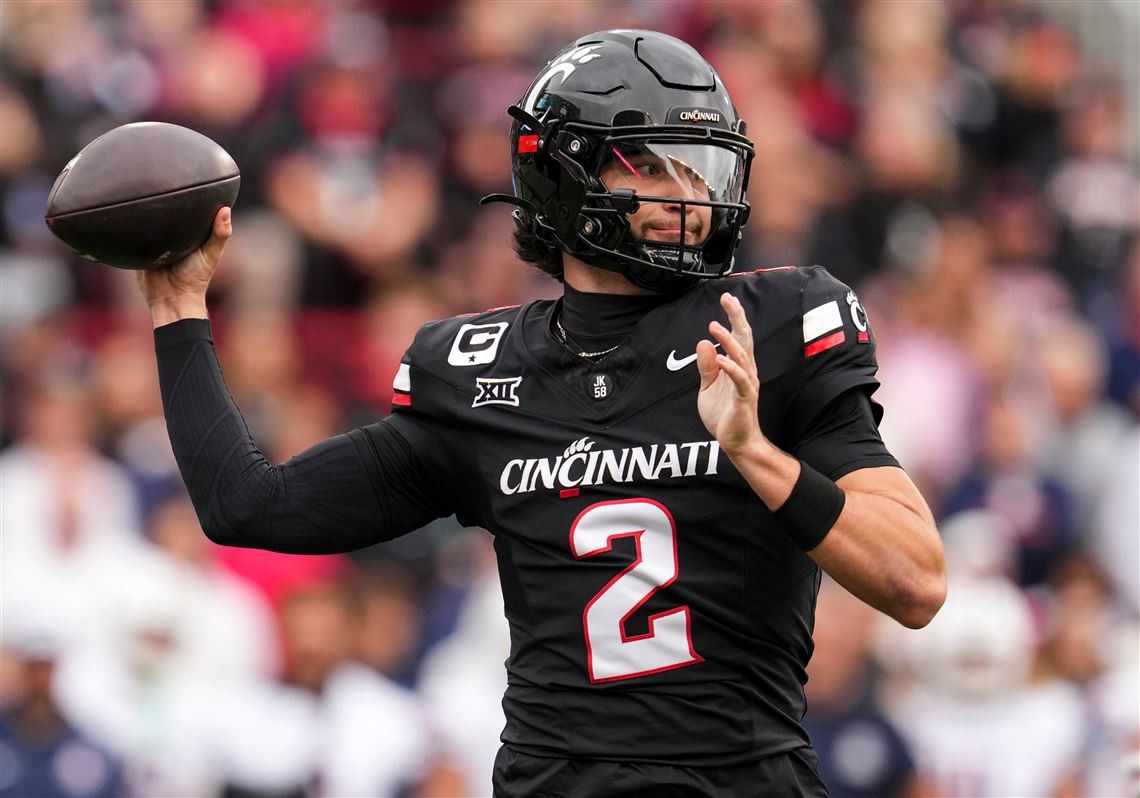
NFL Tells Brendan Sorsby: Fix Your Life Before We Let You In
The NFL’s decision to not hold a supplemental draft in 2026 may feel like a crushing blow for Brendan Sorsby, but in the long run, it may be the most important lesson of his young career—and his life.
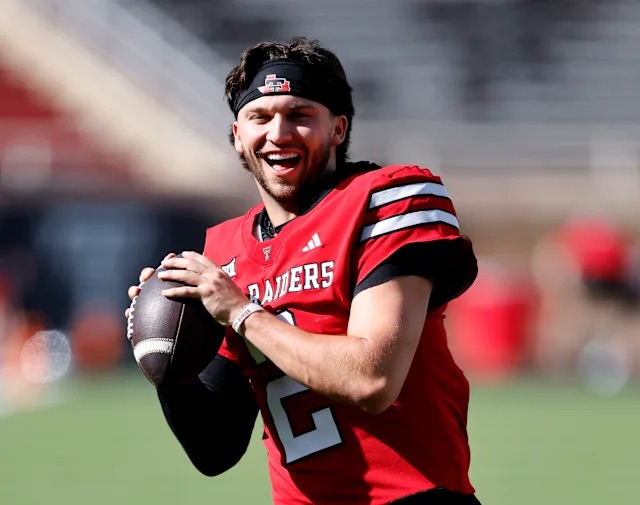
For months, Sorsby’s story has been one of immense talent colliding with catastrophic decision-making. The former Texas Tech Red Raiders quarterback looked like a player destined for Sundays. At 6-foot-3 and 235 pounds, with high-level arm strength, mobility, and legitimate NFL upside, Sorsby had the physical tools that scouts covet in a modern quarterback. Some evaluators even viewed him as a potential first-round talent.
But talent alone does not guarantee opportunity.
That is why the NFL’s decision to deny a 2026 supplemental draft is ultimately a powerful life lesson—not just for Sorsby, but for every athlete navigating the increasingly complex world of college and professional sports.
The central lesson is simple: actions have consequences, and not every consequence can be negotiated away.
Sorsby’s gambling scandal was not a minor mistake. Reports indicate he placed thousands of bets totaling roughly $90,000, including wagers involving teams connected to his college career. The NFL made it clear that the issue was not merely about eligibility paperwork—it was about preserving the integrity of competition. In a letter to Sorsby, NFL attorney Lawrence Ferazani wrote, “The issues presented by your Petition are too significant, and too closely tied to the League’s core integrity interests, to permit meaningful review.”
That phrase—core integrity interests—matters.
Professional sports can survive bad performances. They can survive controversial personalities. What they cannot survive is public doubt about whether the competition itself is legitimate. Gambling threatens that foundation more than almost anything else.
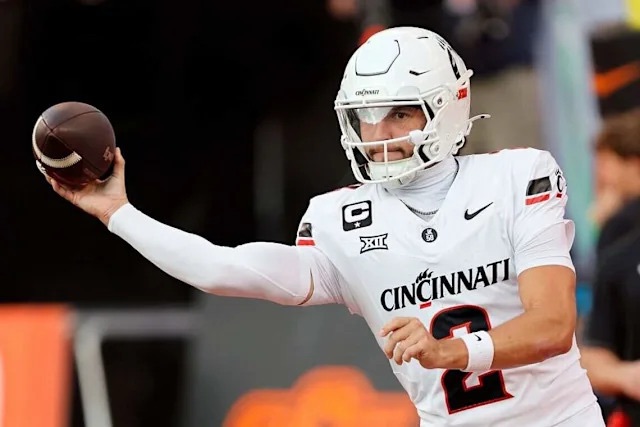
An anonymous NFL executive told ESPN earlier this month, “Quarterbacks are the face of franchises. You cannot hand that responsibility to someone with unresolved integrity concerns.”
That may sound harsh, but it reflects reality.
Sorsby’s camp seemed to believe the supplemental draft offered a clean escape hatch from the mess created by NCAA sanctions and legal battles. Instead of sitting out and rebuilding trust, the strategy appeared focused on accelerating his path back to football. In many ways, that became the problem.
Too often in modern sports, star athletes are conditioned to believe elite talent can erase consequences. NIL money, transfer portals, legal injunctions, and agent maneuvering have created a system where accountability can feel optional. Sorsby’s case became a test of whether there was still a line that talent could not cross.
The NFL drew that line.
And that is good.
Former Troy Aikman once said, “Character reveals itself when adversity shows up.” That quote applies perfectly here. Sorsby now faces adversity he cannot throw past, outrun, or litigate away.
For perhaps the first time in this saga, he has no shortcut.
That may be the best thing for him.
Growth rarely happens when consequences are avoided. Real maturity often begins when someone is forced to sit with the damage caused by their decisions. Right now, Sorsby has to live with uncertainty. He cannot sign with an NFL team in 2026. He cannot force the league’s hand. Plus, Sorsby must wait until the 2027 draft or pursue opportunities in alternative leagues.
That waiting period could become transformative.
Former coach Nick Saban has often emphasized discipline over talent, saying, “Mediocre people don’t like high achievers, and high achievers don’t like mediocre people.” The deeper point is that greatness demands consistent discipline, not occasional excellence.
Sorsby has shown excellence on the field.
What he must now prove is discipline off it.
This is where the life lesson becomes bigger than football.
Young athletes grow up in a culture that increasingly rewards immediate gratification. Social media delivers instant attention. NIL delivers instant money. Transfer portals offer instant exits. The temptation becomes believing every setback has an immediate workaround.
Life doesn’t work that way.
Sometimes doors close because they should.
The NFL refusing to hold a supplemental draft sends a message that consequences cannot always be softened for exceptional talent. That message is healthy for sports.
It also gives Sorsby a chance to redefine his story.
Right now, his public identity is tied to gambling, controversy, lawsuits, and scandal. But identities are not permanent unless people stop growing. The next year gives Sorsby something he desperately needs: time.
Time to rebuild trust.
Time to demonstrate accountability.
It’s time to show NFL franchises that the quarterback they might invest millions in has changed.
An NFL scout told CBS Sports, “Nobody questions the arm talent. Teams are questioning whether the person has learned from this.” That distinction is everything.
Not whether he made mistakes.
Whether he learned from them.
Because NFL front offices understand something fans sometimes forget: prospects are not just drafted for today. They are drafted for the next decade. Teams invest in leadership, stability, and judgment as much as velocity and mechanics.
Quarterback is especially unforgiving in that regard.
Every press conference matters. Leadership moments matter. Every locker room interaction matters.
If Sorsby wants to be a franchise quarterback someday, he must become someone organizations trust completely.
That process starts now.
There is also a broader lesson for college athletics.
The Sorsby saga exposed a dangerous contradiction in modern sports. Leagues and schools increasingly partner with sports betting companies while demanding athletes stay entirely clear of gambling. That tension creates confusion and hypocrisy. Yet even within that contradiction, athletes still know the rules.
And rules matter.
Breaking them brings consequences.
That is not cruelty.
That is accountability.
In the short term, Sorsby probably feels abandoned. He likely sees the NFL’s decision as punitive or unfair. His legal team may continue fighting. Public debate will rage about whether the league overreached.
But years from now, this rejection may be remembered differently.
It may be remembered as the moment Brendan Sorsby stopped trying to escape consequences and started confronting them.
That shift could save his career.
More importantly, it could shape his life.
Football careers are temporary. Character lasts much longer.
The NFL did not end Brendan Sorsby’s dream.
It delayed it.
And sometimes delay is the greatest teacher of all.
If Sorsby uses this year wisely—embracing accountability, rebuilding trust, and demonstrating genuine growth—then this painful chapter may become the foundation of an extraordinary comeback.
If he does not, the lesson will remain unfinished.
Either way, the NFL made the correct decision.
By refusing to rush a supplemental draft for one talented quarterback, the league protected something bigger than Brendan Sorsby’s timeline.
It protected the principle that no amount of talent places someone above accountability.
That is a lesson worth learning.
And for Brendan Sorsby, it may end up being the most important one of all.
Michael J. Wilson-The Daily Waiver
Email: Dailywaiver@gmail.com Instagram: @Dailywaiver Tik-Tok: @Dailywaiver