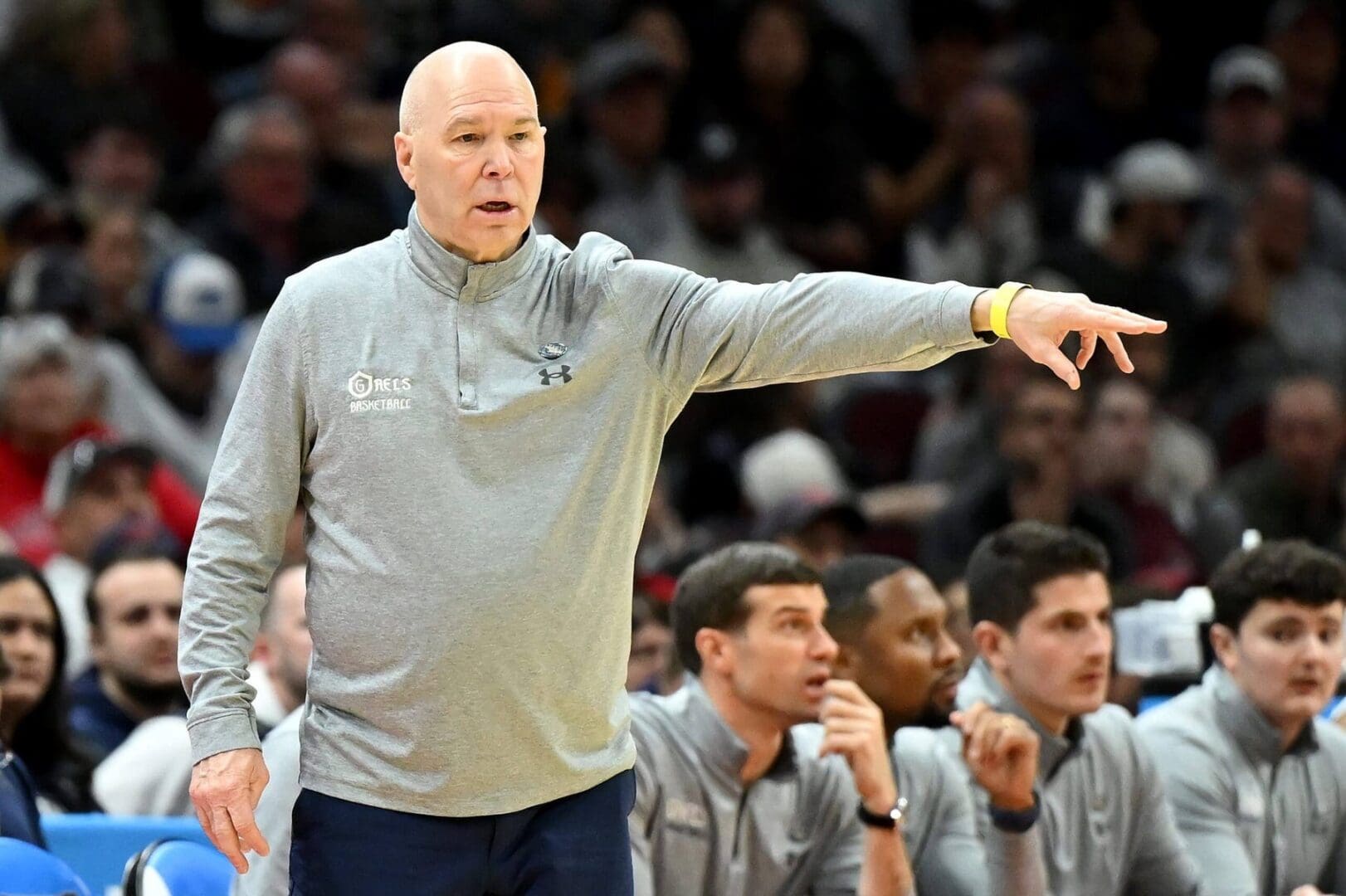
Randy Bennett Contract is Fit Over Flash for ASU
The new contract for Randy Bennett as head coach of the Arizona State Sun Devils men’s basketball isn’t just a routine hiring agreement—it’s a clear declaration that Arizona State is finally serious about competing at the highest level of college basketball.
At first glance, the numbers jump out. A five-year deal worth $3.5 million annually, with $100,000 raises each season, immediately places ASU in a different financial tier than it occupied under Bobby Hurley. But this contract isn’t just about the money—it’s about structure, intent, and accountability. And that’s where the real story begins.
For years, Arizona State basketball has flirted with relevance without ever fully committing to it. Hurley’s tenure had moments—tournament appearances, big wins, flashes of promise—but the program never sustained success long enough to matter nationally. Now, with Bennett, ASU is betting on something entirely different: consistency over chaos.
Bennett’s contract reflects that philosophy. The built-in annual raises signal stability, not desperation. The retention bonuses—$750,000 after year three and again at the end of the deal—are particularly telling. This isn’t just about hiring a coach; it’s about keeping one. ASU is proactively guarding against the very problem that plagues mid-tier programs: finding success, only to lose the architect of it.
That alone is a shift in mindset.
Then there are the incentives. A reported $600,000 bonus for winning the NCAA Tournament is standard at elite programs, but at ASU, it represents aspiration. You don’t include incentives like that unless you believe—at least internally—that it’s possible. For a program that has never reached a Final Four, that’s a bold, almost defiant statement.
But here’s where the contract really matters: context.
Arizona State is now competing in the Big 12, widely regarded as the toughest conference in college basketball. That means going head-to-head with programs that don’t just invest in basketball—they build identities around it. Schools like Kansas, Baylor, and Houston aren’t hoping to win; they expect to.
And just down the road, Arizona Wildcats men’s basketball has doubled down on its own dominance. Head coach Tommy Lloyd is making roughly $7.5 million annually under his new deal, more than double Bennett’s salary. That gap matters. It highlights the reality ASU still faces: even with this investment, it’s playing catch-up.
But that doesn’t make the contract weak—it makes it strategic.
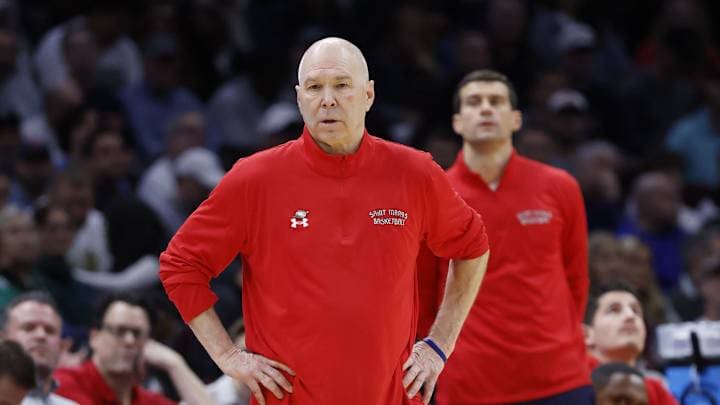
Arizona State isn’t trying to outspend the blue bloods. It’s trying to outmaneuver them. Bennett built Saint Mary’s Gaels men’s basketball into a perennial winner without elite resources. He did it through player development, continuity, and culture. This contract is designed to replicate that model in Tempe, just with slightly better tools.
And that’s why the deal works.
It aligns perfectly with Bennett’s identity as a coach. There’s no bloated, panic-driven salary. No unrealistic buyout that screams insecurity. Instead, there’s a measured, calculated investment in a proven system. ASU isn’t asking Bennett to be a miracle worker—it’s asking him to build something sustainable.
Still, there are fair questions.
Is $3.5 million enough in today’s market? Maybe not. When top-tier coaches are pushing past $6–7 million annually, Bennett’s salary feels more “upper-middle class” than elite. But that’s also the point. ASU is paying for fit, not flash.
And in many ways, that’s smarter.
At Saint Mary’s, he built a winner over time, not through quick fixes. That approach may frustrate a fan base eager for instant relevance, especially in a conference as unforgiving as the Big 12. If ASU isn’t careful, the pressure to accelerate the timeline could clash with the very reason they hired Bennett in the first place.
But if they stay the course, this contract could mark a turning point.
Because for once, Arizona State basketball is acting like it understands what it takes to win—not just occasionally, but consistently. The structure of Bennett’s deal reflects alignment between administration and coach. It rewards longevity, incentivizes success, and, most importantly, signals belief.
That belief is what’s been missing.
In the end, this contract won’t be judged by its dollar amount or bonus clauses. It will be judged by whether Arizona State finally becomes more than a footnote in the college basketball landscape.
And for the first time in a long time, it feels like they’ve made a decision that actually gives them a chance.
Michael J. Wilson-The Daily Waiver
Email: Dailywaiver@gmail.com Instagram: @Dailywaiver Tik-Tok: @Dailywaiver