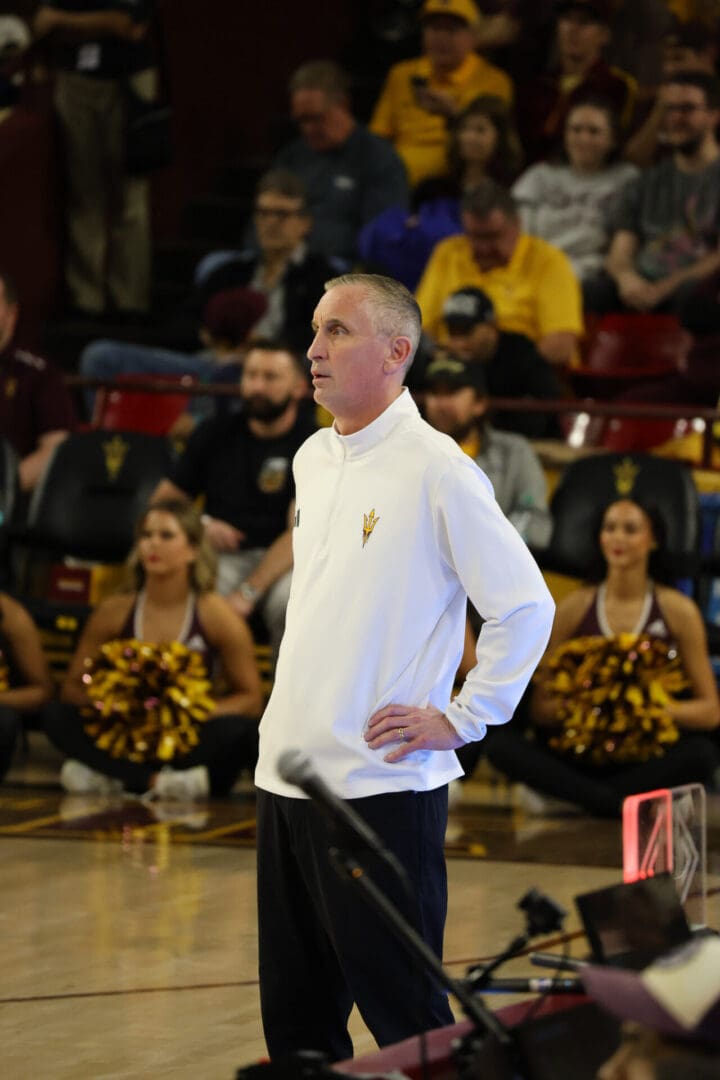
Should Bobby Hurley Return to Arizona State?
As the offseason begins in Tempe, the biggest question surrounding Arizona State Sun Devils isn’t about recruiting rankings or transfer portal targets. It’s about leadership. Should Arizona State bring back Bobby Hurley for another season, or is it time for a reset? Should Bobby Hurley return to Arizona State?
It’s a complicated question — one that blends loyalty, results, finances, recruiting, and the broader trajectory of the program.
The Case for Bringing Hurley Back
First, stability matters.
Hurley has been the face of ASU basketball since 2015. In a sport where programs often cycle through coaches every four or five years, continuity can be an advantage. Players understand his system. Recruits know what to expect. The administration knows how he operates.
And it’s not as if Hurley hasn’t delivered moments of real success.
Under his leadership, ASU has reached multiple NCAA Tournaments. In a competitive conference landscape — especially after conference realignment — having a coach who has navigated high-level competition before carries value.
Hurley also brings name recognition. As a former Duke star and national champion, he commands respect on the recruiting trail. That brand still resonates with prospects, particularly guards who see his player-development background as a pathway to the next level.
Finally, culture isn’t built overnight. If the program believes it is a strong recruiting class or a transfer portal splash away from competing near the top of the conference, keeping Hurley might represent the safer gamble.

The Case for Moving On
On the other hand, college basketball is ultimately a results business.
While there have been peaks, there have also been prolonged valleys. Inconsistent conference finishes, bubble drama, and stretches of sub-.500 play have frustrated fans. Arizona State has rarely sustained momentum from one strong season to the next. That pattern is what concerns critics most.
The transfer portal era has changed expectations. Programs can rebuild quickly. A fresh voice with a modern system and strong NIL connections could potentially energize the fan base and roster immediately.
There’s also the recruiting reality. While Hurley has landed high-level talent at times, ASU hasn’t consistently secured top-tier classes relative to its conference peers. If the Sun Devils are falling behind in recruiting pipelines or NIL collectives, leadership might need to shift to someone who can maximize those new-age dynamics.
Fan engagement matters too. Desert Financial Arena has shown flashes of energy — especially during tournament pushes — but sustaining excitement has been difficult. A new coach often sparks ticket sales, donor enthusiasm, and media attention. If the administration senses apathy growing, that could weigh heavily in the decision.
The Big 12 Factor
Conference context cannot be ignored.
Competing in a power league requires not just occasional tournament appearances, but consistent contention. Programs like Kansas, Houston, and arch rival Arizona have established identities and recruiting machines. To keep pace, Arizona State must decide whether Hurley is the coach who can elevate them into that tier — or if he has already reached his ceiling in Tempe.
If the administration believes the ceiling has been hit, it may feel compelled to explore alternatives. But if they believe the foundation is solid and simply needs refinement, continuity becomes more appealing.
What Do the Players and Recruits Think?
Coaching changes ripple through rosters instantly. A new hire could trigger transfer departures. Keeping Hurley might provide roster stability, particularly if current players believe in his leadership.

In today’s portal-driven system, retaining core contributors can be as important as adding new ones. If ASU’s locker room strongly supports Hurley, that carries real weight.
The Verdict: Patience or Pivot?
Ultimately, this decision comes down to expectations.
If Arizona State expects to be a perennial top-four conference contender and consistent second-weekend NCAA team, administrators must evaluate whether Hurley’s track record aligns with that vision.
If the goal is steady competitiveness, tournament appearances, and periodic breakout runs, the argument for continuity strengthens.
There is no clear-cut answer. Hurley has brought credibility and memorable moments to the program. But after eleven years, programs often reach inflection points. The question isn’t whether he has done good things — he has. The question is whether he can take the next step.
In college basketball, momentum defines everything. Whether that momentum is best achieved through patience or a fresh start is the dilemma facing the Sun Devils’ leadership this offseason.
Michael J. Wilson-The DailyWaiver
Email: dailywaiver@gmail.com Instagram: @dailywaiver Tik-Tok: @dailywaiver