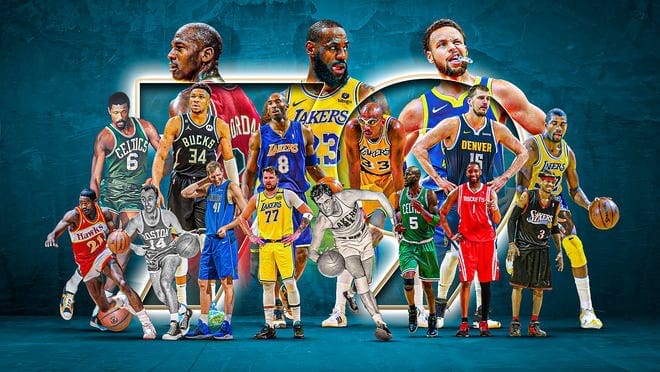
The NBA Image: Good, Bad, or Indifferent?
The NBA has long marketed itself as the most progressive, player-friendly, and globally aware of America’s major sports leagues. From its embrace of international talent to its social justice messaging and social media savvy, professional basketball has cultivated an image of modernity. Yet in recent years, the league has faced a growing perception problem. While television ratings, streaming engagement, and global popularity remain strong in many areas, public discourse increasingly frames the NBA as troubled—whether by player behavior, on-court aesthetics, or questions about competitive integrity.
Commissioner Adam Silver has frequently spoken about protecting the league’s brand. But the challenges today are less about a single scandal and more about cumulative perception. The NBA’s image issue stems from three overlapping factors: player empowerment narratives that sometimes overshadow team identity, stylistic changes to the game itself, and a media ecosystem that amplifies controversy over competition.
The Player Empowerment Paradox
Over the last decade, the NBA embraced player mobility and individuality more openly than other leagues. The era of superstar agency—symbolized by figures like LeBron James—redefined power structures in professional sports. Stars openly influenced roster construction, changed teams in pursuit of championships, and treated contracts as flexible leverage tools rather than rigid commitments.
On one hand, this shift modernized the league. It gave players autonomy and transparency, aligning with broader workplace empowerment trends. On the other, it introduced skepticism among fans who felt loyalty had diminished. When franchises invest emotionally and financially in a superstar only to watch him depart after orchestrating a trade or short-term contract, some supporters feel alienated.
The result is a paradox: the NBA markets its stars as global icons, but frequent movement can undermine long-term team rivalries. Compare that to the dynastic identities of the past—like the Los Angeles Lakers in the 1980s or the more recent Golden State Warriors core that stayed intact long enough to build narrative continuity. Sustained rivalries create emotional investment; constant churn can dilute it.
Off-Court Drama in the Social Media Era
Another element affecting the NBA’s image is the visibility of off-court controversies. In previous eras, personal missteps were filtered through traditional media cycles. Today, social media platforms broadcast incidents instantly and globally.
When stars face suspensions, legal issues, or behavioral scrutiny—as in the case of Ja Morant—the story often dominates headlines longer than on-court achievements. The NBA’s openness to player individuality means athletes are more accessible and visible, but that same transparency leaves little room for privacy or gradual reputation repair.
The league’s culture celebrates authenticity and self-expression. However, the line between authenticity and recklessness can blur, especially for younger players navigating fame. Every viral video becomes part of the league’s broader narrative, shaping public perception beyond box scores and highlight reels.
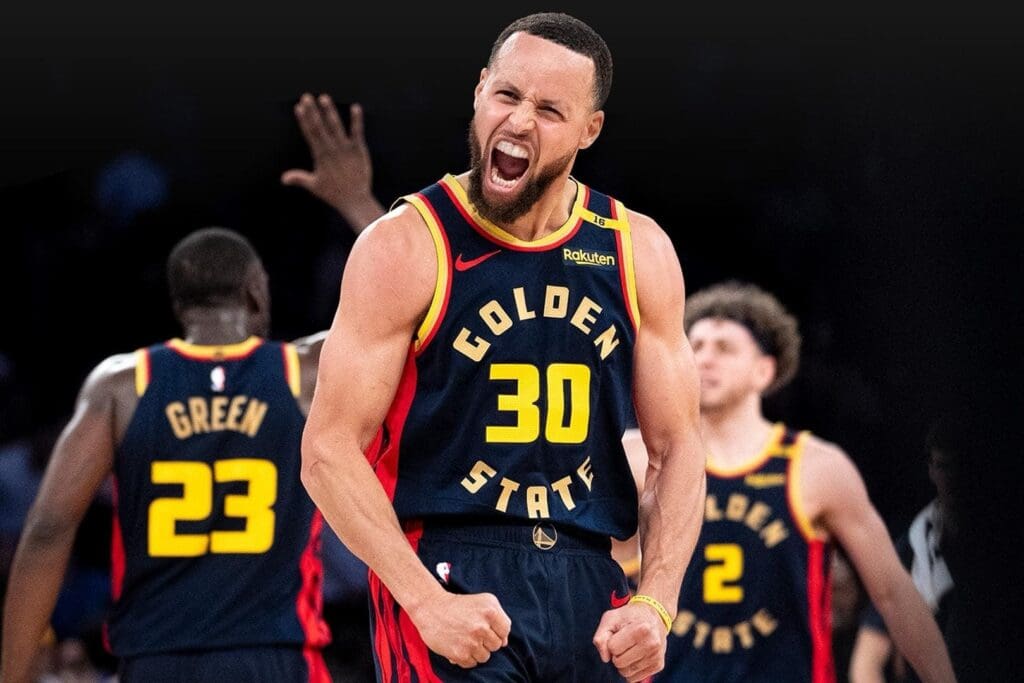
Aesthetic Concerns: Is the Game Still Beautiful?
Beyond behavior, some critics argue the NBA faces an aesthetic issue. The modern game emphasizes three-point shooting, spacing, and analytics-driven efficiency. While this evolution has increased scoring and offensive versatility, detractors say it has reduced stylistic diversity.
Gone are many of the bruising post battles and midrange artistry that defined previous decades. The contemporary emphasis on perimeter shooting can produce games where both teams attempt 40 or 50 three-pointers. To traditionalists, this homogenization makes matchups feel repetitive.
Even casual fans sometimes express fatigue over frequent stoppages, replay reviews, and load management strategies. When stars sit out nationally televised games for rest, audiences may feel shortchanged. The spectacle of live sports depends on anticipation and unpredictability; anything that undermines that emotional promise can chip away at the league’s image.
Perceptions of Competitive Balance
While the NBA prides itself on parity through salary caps and draft structures, narratives of “superteams” have periodically dominated public debate. When multiple All-Stars cluster on one roster, critics question the fairness of the competition.
Ironically, the league’s very efforts to empower players contributed to this phenomenon. Stars coordinating free agency decisions created rosters that seemed inevitable rather than organic. Although dynasties have always existed in sports, the perception that outcomes are preordained can dampen enthusiasm.
At the same time, the NBA has seen remarkable parity in recent championships and emerging contenders from smaller markets. Yet perception often lags reality. Once a narrative takes hold—that the regular season doesn’t matter, or that championships are engineered rather than earned—it can be difficult to reverse.
Political and Cultural Crosscurrents
The NBA has also positioned itself as socially conscious, allowing players and coaches to speak openly about political issues. For many fans, this openness reflects courage and leadership. For others, it feels intrusive or divisive.
Navigating these cultural crosscurrents is uniquely challenging in a polarized media environment. A league that was once criticized for being apolitical now faces criticism from some corners for being too vocal. The attempt to balance global business interests, domestic politics, and player expression has occasionally placed the NBA in complicated situations.
The Media Amplification Effect
Finally, the 24/7 sports media cycle thrives on debate. Television panels and podcasts often prioritize controversy—trade demands, locker-room tensions, officiating disputes—over tactical analysis. This framing subtly shifts focus away from the craft of basketball.
The NBA’s star-driven nature makes it particularly susceptible to personality narratives. A single comment in a press conference can fuel days of discussion. While this attention keeps the league culturally relevant, it also creates the impression of perpetual drama.
A League at a Crossroads
Despite these challenges, it would be inaccurate to portray the NBA as declining. Global interest continues to expand, international players are reshaping the game, and young audiences engage heavily through digital platforms.
The league’s image issue is less about existential threat and more about coherence. The NBA must reconcile its commitment to empowerment with the need for stability, its embrace of analytics with aesthetic diversity, and its social engagement with broad audience appeal.
Ultimately, perception shapes legacy. The NBA remains one of the world’s premier sports organizations, but its brand depends not just on athletic excellence, but on storytelling, trust, and emotional resonance. If it can recalibrate the balance between individuality and institution, spectacle and substance, it may find that its image problem is not a crisis—but an inflection point.
Michael J. Wilson-The Daily Waiver
Email: dailywaiver@gmail.com Instagram: @dailywaiver Tik-Tok: @dailywaiver