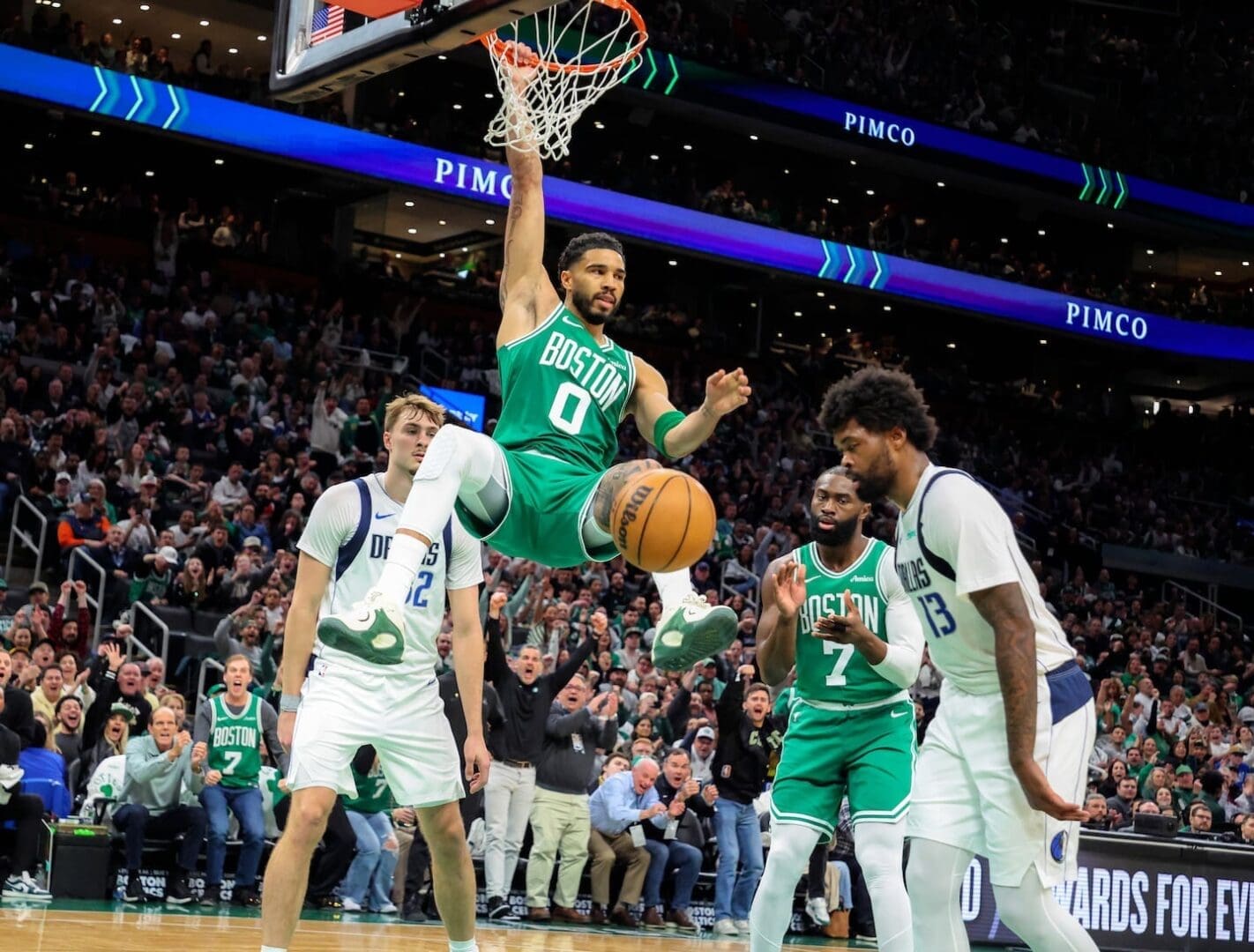
The Anomaly has Elevated Himself for the Celtics
When Jayson Tatum went down late in the 2025 postseason, the immediate reaction around the league was concern—not just for the Boston Celtics, but for the NBA as a whole. Tatum isn’t just another All-Star; he’s one of the faces of the league, a player whose combination of scoring, size, and poise has defined Boston’s modern era. Questions swirled all offseason: Would he lose a step? Could he still carry a contender? Would the Celtics need to reinvent themselves?
Through the early stretch of 2026, those questions have been answered emphatically—and perhaps even prematurely. Tatum hasn’t just returned. He’s elevated.
Impressive Return
What’s been most impressive isn’t simply the numbers, though they remain elite. Tatum is still pouring in over 25 points per night, still rebounding at a high level, still creating for teammates in a way that reflects his steady evolution into a complete offensive hub. But numbers alone don’t capture the full picture. This version of Tatum looks more controlled, more deliberate, and, in some ways, more dangerous than ever before.
There’s a noticeable shift in how he’s approaching the game. Early in his career, and even during his ascent into superstardom, Tatum could sometimes fall into stretches of isolation-heavy offense, settling for contested jumpers. Now, there’s a patience to his decision-making. He’s picking his spots with surgical precision, manipulating defenses instead of reacting to them. It’s the kind of growth that separates great players from truly elite ones.
As Celtics head coach Joe Mazzulla recently said, “He’s seeing the game two steps ahead right now. That’s what the best in the world do—they don’t just play the game, they control it.” That sentiment has been echoed by teammates and opponents alike.
Part of what makes Tatum’s return so remarkable is the context. Recovering from a significant postseason setback—both physically and mentally—is never straightforward. Players often need months, sometimes an entire season, to regain their rhythm and confidence. Yet Tatum has come back with a clarity that suggests not just recovery, but reflection. He’s learned from the adversity.
Teammate Jaylen Brown noted, “You can tell he’s locked in differently. It’s not just about scoring anymore—it’s about doing whatever it takes to win. That’s a scary thing for the rest of the league.” Brown’s words highlight a critical shift: Tatum’s leadership has matured alongside his game.
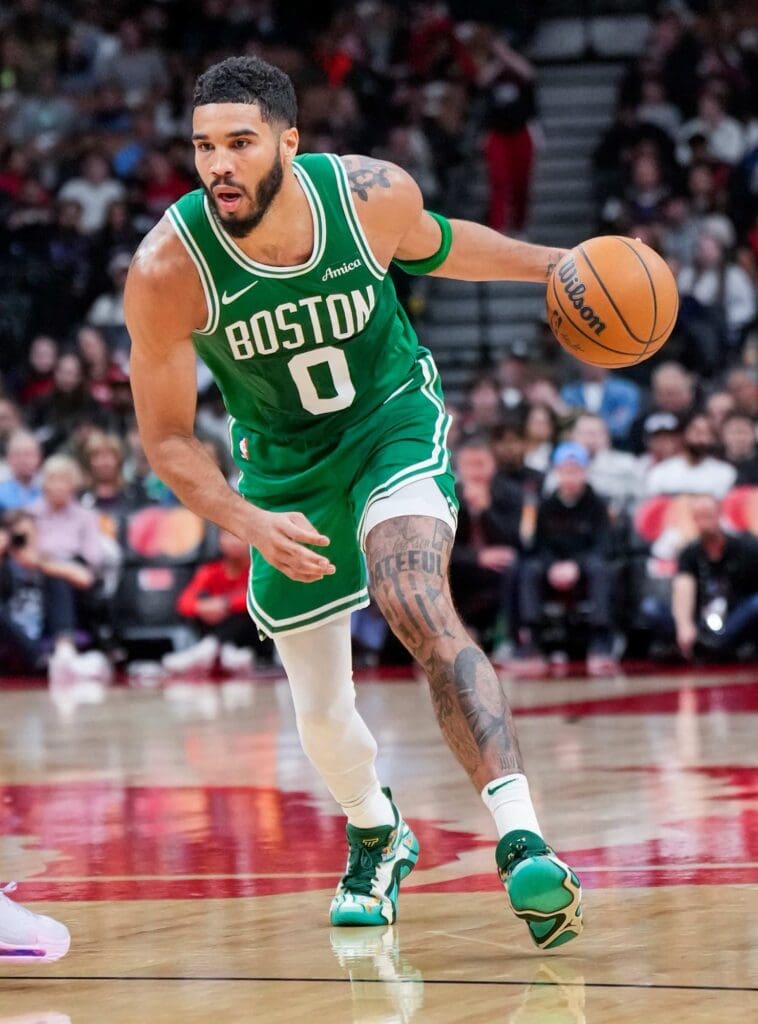
Being a Leader
That leadership has been vital for a Celtics team with championship expectations. Boston hasn’t had the luxury of easing Tatum back into action. The Eastern Conference remains a gauntlet, with contenders like the Detroit Pistons and Cleveland Cavaliers constantly applying pressure. Every game matters, and every performance is scrutinized.
Yet Tatum has thrived under that pressure. In clutch moments, he’s been particularly impressive—calmly orchestrating late-game possessions, hitting timely shots, and making the right reads when defenses collapse. It’s a level of composure that speaks to his experience and his hunger.
There’s also a defensive component to his resurgence that deserves recognition. While Tatum has always been a capable defender, his effort and consistency on that end have noticeably improved. He’s using his length more effectively, rotating with purpose, and taking on challenging assignments when needed. It’s another sign of a player fully committed to impacting the game in every way possible.
Long Term Meaning for JT
Perhaps the most compelling aspect of Tatum’s return is what it suggests about his trajectory. At 28, he’s entering what should be the prime years of his career. If this version of Tatum—more efficient, more composed, more complete—is the new baseline, then the ceiling for both him and the Celtics is incredibly high.
There’s a tendency in sports to take greatness for granted, especially when it arrives early and consistently. Tatum has been an All-NBA caliber player for years, so it’s easy to overlook incremental improvements. But this season doesn’t feel incremental. It feels transformative.
The adversity he faced in 2025 may ultimately be viewed as a turning point—not a setback, but a catalyst. Great players often use moments like that to refine their approach, to sharpen their focus, to come back stronger. Tatum appears to have done exactly that.
For the Celtics, that’s both reassuring and exhilarating. A fully realized Tatum doesn’t just keep them in contention; it makes them one of the most formidable teams in the league. And for the rest of the NBA, it serves as a reminder that even the game’s brightest stars are still evolving.
If the early months of 2026 are any indication, Jayson Tatum isn’t just back—he’s better. And that should concern everyone else.
Michael J. Wilson-The Daily Waiver
Email: Dailywaiver@gmail.com Instagram: @Dailywaiver Tik-Tok: @Dailywaiver