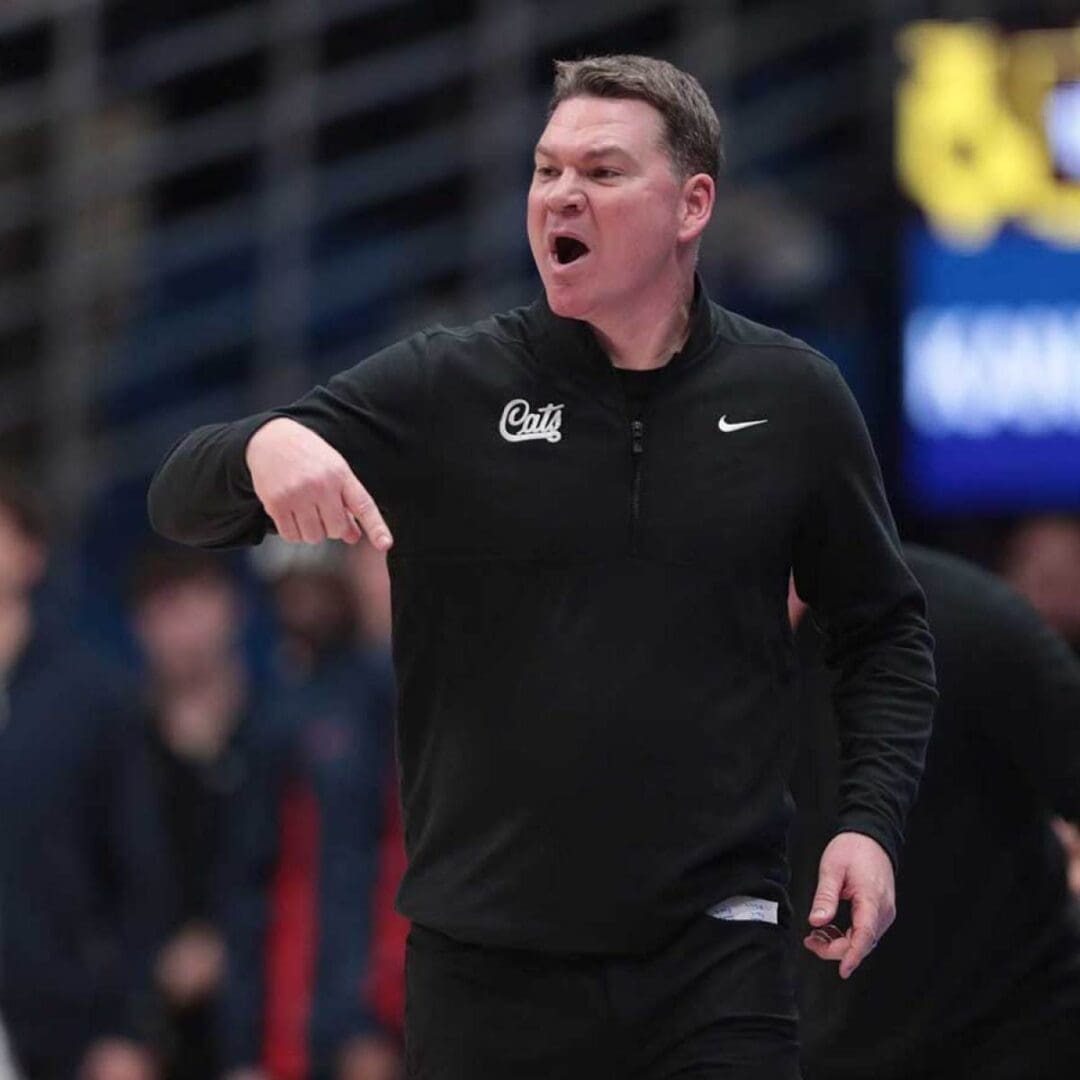
Tommy Lloyd Tension with the Wildcat AD?
Tension between a head coach and an athletic director is not unusual in major college athletics, but when it involves a high-profile program like Arizona Wildcats men’s basketball, even subtle friction can carry significant consequences. The dynamic between head coach Tommy Lloyd and Arizona athletic director Desireé Reed-Francois has increasingly become a point of intrigue around the program, raising questions about long-term alignment, leadership philosophy, and the future trajectory of one of college basketball’s premier brands.
Lloyd and Reed-Francois History
Lloyd arrived in Tucson with enormous expectations after taking over for Sean Miller in 2021. Almost immediately, he delivered results—winning games at a historic pace, revitalizing recruiting pipelines, and restoring national relevance to the Wildcats. His up-tempo offensive style and international recruiting background quickly became hallmarks of Arizona basketball. On the surface, this success would suggest a harmonious relationship with the administration. But success does not always eliminate underlying philosophical differences.
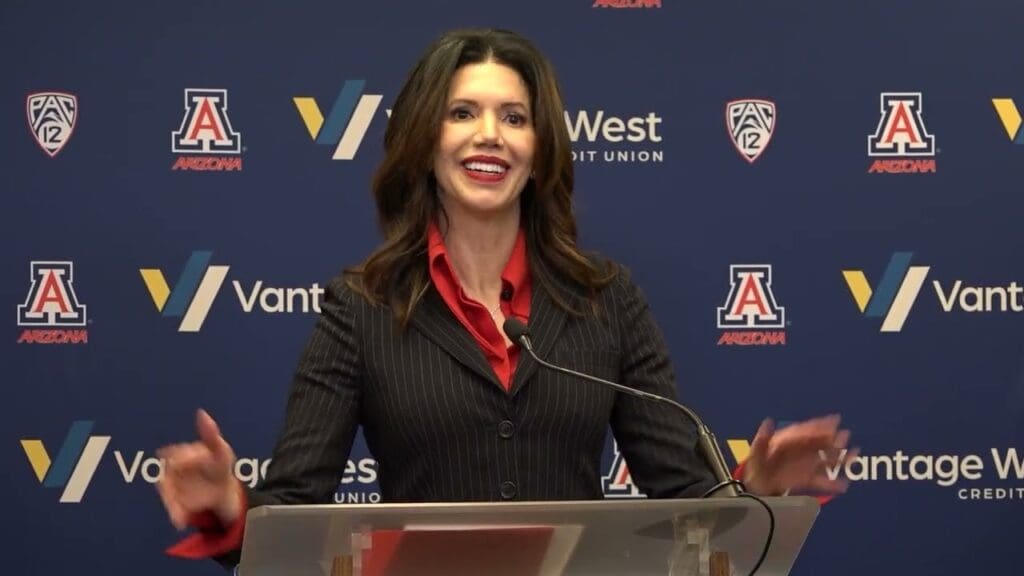
Reed-Francois, who took over as athletic director in 2021, has built a reputation as a strong, detail-oriented administrator with a clear vision for compliance, structure, and long-term sustainability. Her leadership style emphasizes institutional control and alignment across all programs. While that approach is widely respected, it can sometimes clash with the autonomy that elite coaches—especially those experiencing rapid success—often expect.
Tension Areas
One area where tension can emerge is in resource allocation and program control. Lloyd’s success has elevated expectations for Arizona to compete not just in the Pac-12 (and now the Big 12), but nationally against blueblood programs. That level of competition requires significant investment in NIL (Name, Image, and Likeness) infrastructure, facilities, and staffing. If there are differences in how aggressively the athletic department should allocate resources, friction is almost inevitable. Coaches want immediate tools to win; administrators must balance budgets, compliance, and equity across sports.
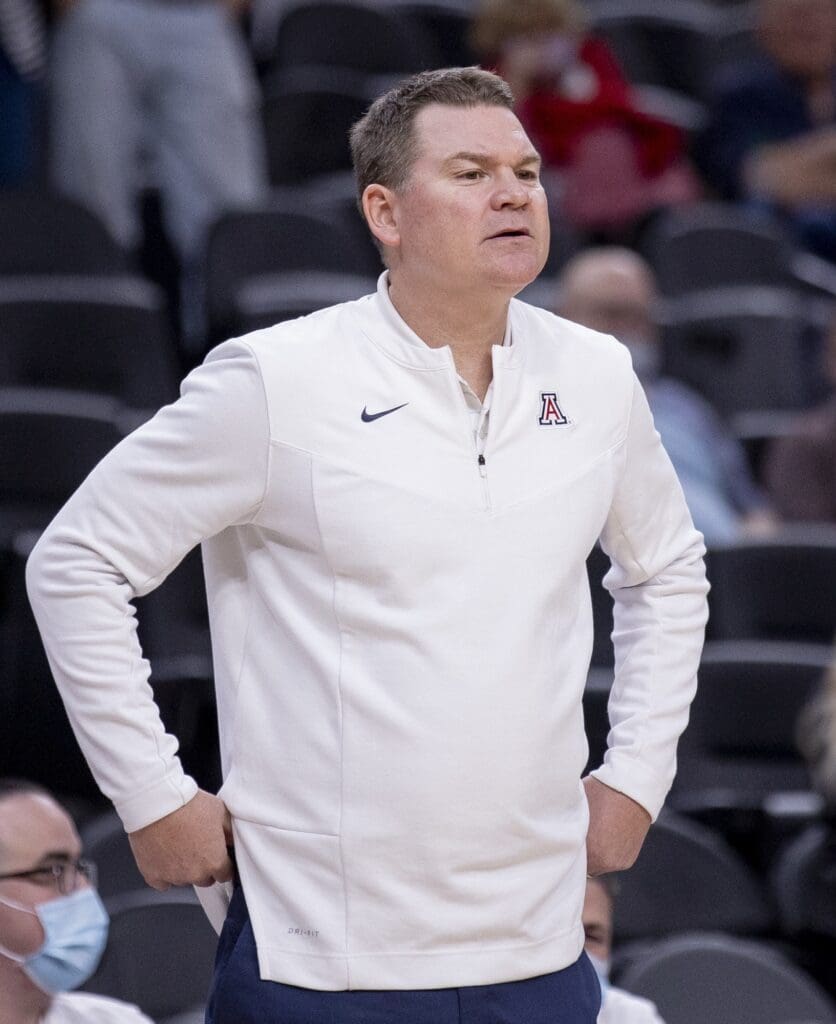
Recruiting philosophy is another potential fault line. Lloyd’s deep ties to international basketball have been a major advantage, bringing in players with high skill levels and professional experience. However, international recruiting comes with unique challenges—eligibility questions, NIL limitations, and cultural transitions. An athletic director focused on minimizing risk may push for a more balanced or traditional recruiting approach, while Lloyd may view that as unnecessary interference in a formula that has already proven successful.
Communication style also plays a critical role. Successful coach–AD relationships are built on trust, transparency, and frequent dialogue. If either side feels out of the loop—whether it’s about scheduling decisions, NIL strategies, or staff changes—tension can quickly escalate. Lloyd, known for his calm demeanor publicly, is also deeply competitive and protective of his program. Reed-Francois, meanwhile, operates with a broader institutional lens, which may not always align with the day-to-day urgency of a head coach.
The evolving landscape of college athletics only amplifies these challenges. With conference realignment, expanded NIL opportunities, and the transfer portal reshaping roster construction, the margin for disagreement grows. Arizona’s move into the Big 12 places even greater pressure on both Lloyd and Reed-Francois to ensure the program remains competitive at the highest level. That pressure can either unify leadership or expose cracks in the relationship.
Tension Doesn’t Mean Problems
It’s important to note that tension does not necessarily equate to dysfunction. In many cases, a certain level of friction can be productive, forcing both sides to challenge assumptions and refine strategies. The key is whether that tension remains professional and solution-oriented or becomes personal and obstructive. Programs that sustain long-term success—like those at Kansas or Duke—often do so because their leadership operates with shared vision, even when disagreements arise behind closed doors.
Then there’s the reality of outside interest. Programs like University of North Carolina or other traditional powers could come calling if coaching vacancies arise. Lloyd’s profile—successful, relatively young, and adaptable—makes him an attractive candidate. In those moments, the strength of his current situation becomes the deciding factor.
Does he feel valued? Are Lloyd’s thoughts and opinions heard? Does he believe Arizona can match or exceed what other programs might offer?
Those questions often matter more than salary figures.
What’s at Stake for Arizona
For Arizona, the stakes are particularly high. Basketball is the flagship sport, a major revenue driver, and a central part of the university’s identity. Any instability at the top could ripple through recruiting, fan support, and national perception. If Lloyd feels constrained or unsupported, it could open the door for other programs to pursue him. Conversely, if Reed-Francois believes the program is operating outside institutional priorities, she may push for greater oversight.
Ultimately, the relationship between Tommy Lloyd and Desireé Reed-Francois will play a defining role in the next chapter of Arizona Wildcats basketball. Both are highly accomplished, driven professionals with a shared goal of winning at the highest level. Whether they can align their visions—and navigate the inevitable challenges of modern college athletics—will determine if Arizona remains a national powerhouse or faces unnecessary turbulence in the years ahead.
It’s important to note that there is currently no public indication of discord between Lloyd and Reed-Francois. In fact, by most accounts, the relationship is solid. But in an era where coaching movement is constant and opportunities arise quickly, maintaining that alignment requires continuous effort from both sides.
However, it’s also important to point out that Tommy Lloyd, his representatives, and the school administration have been in discussions on a contract extension. These discussions started before the season started and have continued through out the season. Coach Lloyd has some leverage here because it would be a massive failure on the administration’s part to let a coach go after taking that team to the Final Four. The only time that a coach left a school after taking them to the Final Four was Roy Williams. He left Kansas for, ironically, North Carolina.
In college sports, leadership alignment is often the difference between sustained excellence and missed opportunity. For Arizona, the spotlight isn’t just on the court—it’s in the offices where decisions shape the future of the program.
Michael J. Wilson-The Daily Waiver
Email: Dailywaiver@gmail.com Instagram: @Dailywaiver Tik-Tok: @Dailywaiver